CRM architecture that scales
Data models and fields to set up now so reporting works later.
Agree on the core records
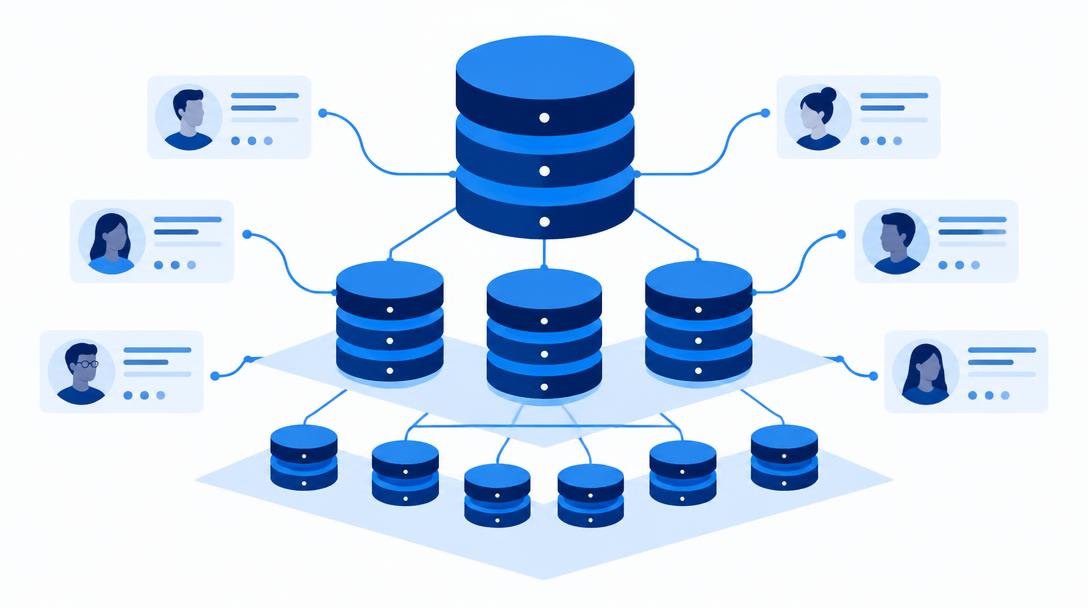
Define how accounts, contacts, opportunities and subscriptions relate before adding custom fields. Decide how to represent parent companies, multiple buying teams and renewals. Consistent definitions make it easier to follow a customer from the first conversation through expansion.
Keep required fields purposeful
Every required field should support a decision, a handoff or a report. Use controlled options where consistency matters and clear ownership where information changes. Document stage criteria, revenue definitions and the source of truth for billing so teams do not report different answers to the same question.
Design for reliable handoffs
Map the transition from sales to onboarding, customer success and subscription billing. Test integrations with realistic records and plan how duplicate or failed updates are handled. Review data quality regularly rather than relying on a cleanup project when leadership needs accurate reporting.